 ROI Calculator
 Sign up for free

Every ambassador marketing platform in the market promises to help you manage campaigns. Track clicks. Monitor metrics. Generate reports. The implicit model behind all of them is the same: the brand is a buyer, the creator is a supplier, and the platform is a procurement system that keeps the transaction organised. Club is built on a fundamentally different premise. The most powerful commercial force in the creator economy is not the transaction between a brand and a creator. It is the community of creators who believe in what the brand stands for - and the peer-to-peer relationships within that community that make advocacy genuine, sustained, and commercially superior to any transactional campaign model. This article explains why community is the competitive advantage that a dashboard cannot replicate, and what it actually looks like in practice.
A dashboard is a management interface. It shows you data about activity that has happened elsewhere - posts created, clicks generated, commissions earned. The activity itself is not on the dashboard. The creators doing the work are not on the dashboard. The relationships between them are not on the dashboard. The dashboard is a reporting layer on top of a set of isolated bilateral relationships between a brand and a series of individual creators who never interact with each other.
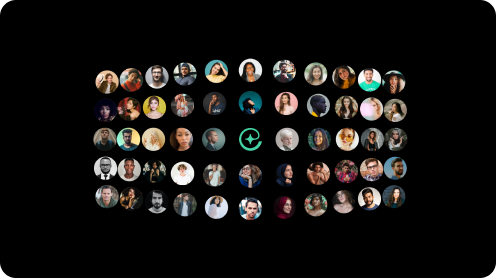
A community is a shared environment where participants interact with each other, not just with the brand at the centre. The value in a community is not just what flows from the brand to the creator. It is what flows between creators - the shared knowledge, collective energy, mutual recognition, and genuine belonging that make people want to remain active participants rather than passive recipients of briefs and payments.
This distinction has commercial consequences that are direct and measurable. Creators who are part of a genuine community generate better content, stay active for longer, advocate more authentically, and refer more new members than creators who are managed through a dashboard model. The reason is straightforward: people do their best work when they feel they belong to something, when they are seen and recognised by their peers, and when they believe their participation contributes to something larger than a campaign. A dashboard cannot create this. A community can.
The commercial consequence of this difference is in every metric that matters: content quality, mission completion rate, ambassador retention, referral rate, and ultimately in the authenticity of the advocacy that reaches brand partners’ potential customers. Transactional dashboards produce transactional advocacy. Communities produce genuine advocacy. And genuine advocacy converts.