What is the difference between a brand ambassador and an influencer?
A brand ambassador is an ongoing advocate typically a loyal customer who represents a brand consistently over time through content, referrals, and community participation. An influencer is a content creator engaged on a campaign basis, paid to produce specific promotional content for a defined fee. The key distinctions are relationship length (ongoing vs. campaign), selection criteria (brand affinity vs. audience size), and compensation model (commissions and rewards vs. flat fees).
Can someone be both a brand ambassador and an influencer?
Yes. A creator with a significant social following who is also a genuine product advocate and enrolled in an ambassador programme operates as both. In practice, the distinction is more relevant for programme design than for how an individual creator describes themselves. DTC brands often find that their most effective ambassadors started as organic advocates who were later formalised into the programme.
What is the difference between a brand ambassador and an affiliate?
An affiliate earns commission on sales generated through their referral link, with no obligation to create content or represent the brand in any other way. A brand ambassador typically includes an affiliate component a referral link and commission structure but also creates content, completes missions, and participates in the brand community. The ambassador relationship is broader; the affiliate relationship is purely commercial.
How much does it cost to run a brand ambassador programme?
The cost depends on programme scale, reward structure, and the platform used to manage it. Ambassador programmes are generally significantly more cost-efficient than traditional influencer campaigns. Rewards are typically performance-linked (commissions on sales, free product) rather than flat fees, which means spend scales with results. A brand ambassador management platform typically costs between £300 and £1,500 per month depending on the number of ambassadors and features required.
What software do brands use to manage brand ambassador programmes?
Brands managing ambassador programmes at scale use dedicated brand ambassador management platforms. These platforms handle recruitment, onboarding, mission assignment, content tracking, referral attribution, and reward payments from a single dashboard. Club.co is a brand ambassador platform built specifically for DTC and eCommerce brands, enabling teams to manage communities of ambassadors, micro-influencers, affiliates, and UGC creators in one place.
How do I recruit brand ambassadors for my DTC brand?
The most effective recruitment source is your existing customer base. Identify buyers who have already posted about your brand organically, left strong reviews, or engaged with your social content. Reach out directly, or build an application landing page promoted through email and social channels. Define the programme benefits clearly: what ambassadors receive, what they are asked to do, and how performance is rewarded.
How do I measure the ROI of a brand ambassador programme?
ROI is measured through a combination of referral tracking (unique discount codes and affiliate links), content value (the number and quality of UGC assets generated), sales attribution (orders directly linked to ambassador activity), and engagement metrics (reach, clicks, and conversions from ambassador content). A brand ambassador platform provides dashboards that surface these metrics at both the programme and individual ambassador level.
Build Your Brand Ambassador Programme with Club
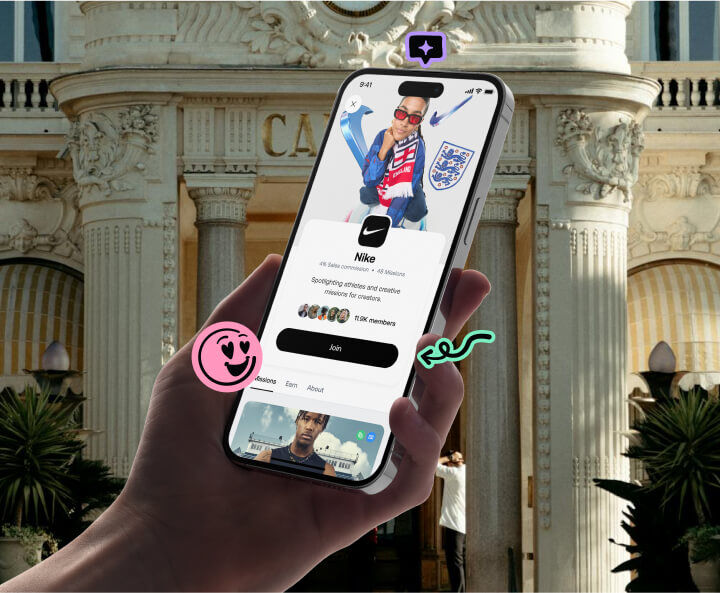
Club is a brand ambassador platform built for DTC and eCommerce brands. It enables marketing teams to recruit customers and creators as brand ambassadors, assign them missions, track content and sales performance, and automate reward payments all from one platform.
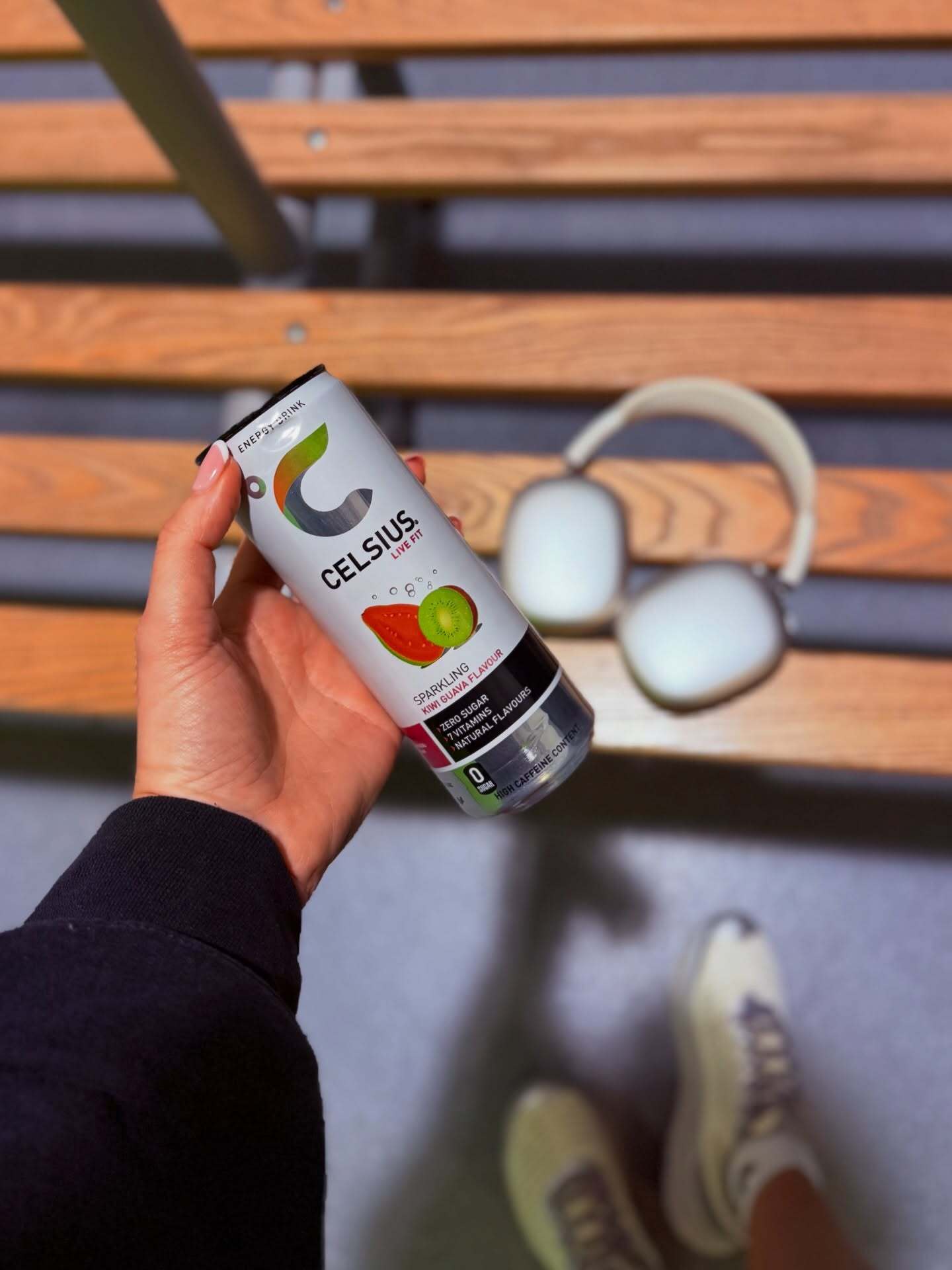
Brands including Samsung, Celsius, Daniel Wellington, and Fabletics use Club to manage ambassador communities at scale.
{{cta(‘d1b6f5b5-fa25-4d1d-8bac-de430c7266da’,‘justifycenter’)}}

 ROI Calculator
 Sign up for free