1. Overwhelming growth that is hard to control
You want to experience a surge in demand for your products or services; but, are you ready to handle the increase in numbers?
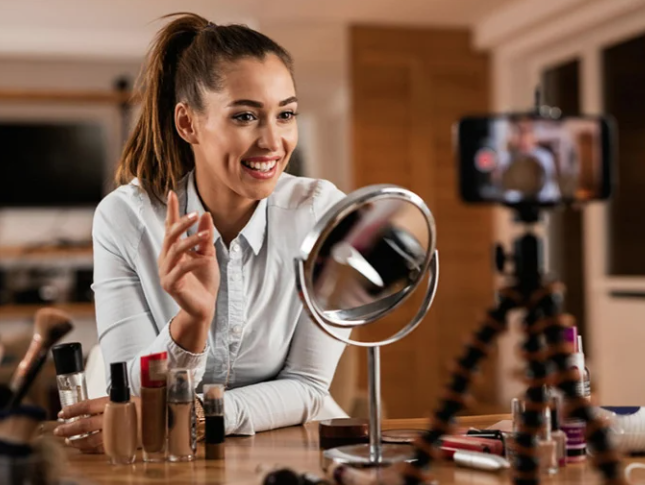
For example, you want to promote a hydrating moisturiser perfect for the winter months. An influencer tries your product, loves it and starts posting about it to her 800k audience with a discount code.
Do you have enough stock to fill the potential orders that come through? Is your e-commerce store easy to use for online shoppers? Are you positive that the discount code works? And, if shipping fast enough to get your product to buyers during the winter months?
Rapid growth can be challenging if your brand isn’t ready for it. If an influencer campaign leads to a surge in demand, you’ll need systems in place to handle it to avoid disappointing new customers.
2. High price tags when working with popular influencers
When collaborating with established macro or mega influencers, you may encounter substantial fees that can stretch or even exceed your marketing budget. These creators typically have vast followings and extensive reach, which often comes at a premium cost.
According to Influencer Marketing Hub, working with mega influencers on TikTok can set brands back around $2,500 per post. Macro influencers charge around $1,250 to $2,500 per post. For smaller brands or those working within tighter financial constraints, these high price tags can limit the feasibility of engaging with such influencers.
However, micro or nano creators present a cost-effective alternative, with micro influencers charging around $25 to $125 per post and nano influencers $5 to $25. Although they have smaller followings, their audiences are often highly engaged and niche-specific, which can offer more targeted and authentic brand connections.
By choosing micro or nano creators, brands can benefit from meaningful audience interactions without the hefty investment, making this an attractive option for maximising impact within a budget.
Micro and nano influencers are also particularly successful at marketing local businesses like florists or coffee shops.
3. Potential for mismatched content that’s not right for your brand style
If a creator’s style doesn’t align with your brand identity, it could affect your reputation and the perception among your audience. To avoid this, review their past work to find content creators who are aligned with your brand values.
By selecting creators who naturally resonate with your brand’s core values and visual identity, you can ensure that their content feels authentic and enhances your brand image rather than detracting from it.
4. Your brand’s reputation is tied to the creator’s actions
When you collaborate with an influencer, your brand becomes associated with their personal brand, which means that any controversies or negative publicity they face could impact you as well.
If a creator shares a polarising political view, takes a controversial stance on cultural issues, or becomes involved in a scandal, it can lead to backlash not just against them, but also against any brands they represent.
This “guilty by association” effect can be super damaging, as followers will start to question your brand’s values and intentions which leads to unfollows, negative comments and a decline in customer trust.
That’s why it’s so important to carefully vet creators before partnering with them. Look for influencers whose values align with your brand and who have a positive track record. By choosing creators who genuinely reflect your brand’s identity, you can lessen the chance of your brand’s name getting dragged through the mud.
5. Uncertainty over real follower numbers
Fake followers are still common on social media, which can make it hard to gauge a creator’s true reach and influence. Look beyond follower counts and consider engagement metrics to assess a creator’s impact.
Prioritising quality over quantity when it comes to followers will help you partner with creators who have really active, authentic communities that can drive meaningful results for your brand.
Thankfully there are now many fake follower tools you can use to audit an influencer’s profile and audience before you decide to work with them.

 ROI Calculator
 Sign up for free